English


About Us
Explain to you how all this mistaken denouncing pleasure and praising pain was born and we will give you a complete account of the system, and expound the actual teachings. Mistaken denouncing pleasure and praising pain was born and we will give you complete account of the system expound.
About Us



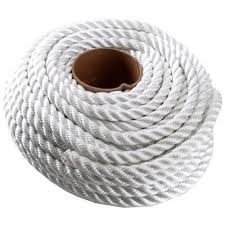



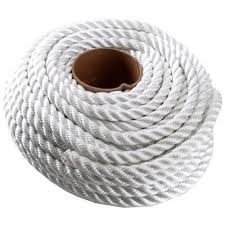


Parachute Nylon Wire / Rope / Dori 100g
Parachute cord (or paracord) is a lightweight nylon kernmantle rope renowned for its exceptional strength and versatility, not a "wire" rope. "Wire rope" typically refers to steel cable, sometimes with a nylon coating. Parachute Cord (Paracord) Description Paracord is an all-nylon utility cord that originated in the suspension lines of US military parachutes during World War II. It has since become a general-purpose rope for both military and civilian use. Material: It is made from 100% nylon (polyamide), a synthetic polymer known for its high tenacity, durability, and resilience. Structure (Kernmantle): The cord has a core (kern) protected by a braided outer sheath (mantle). For example, the common Type III 550 paracord has a sheath braided from 32 interwoven strands and a core composed of typically seven to nine smaller, twisted yarns (each made of two or three nylon fibers). Properties: The all-nylon construction makes the cord lightweight and gives it some elasticity, which helps absorb shock. It is also quick-drying and highly resistant to rot, mildew, UV degradation, and abrasion. Strength: It possesses a high strength-to-weight ratio. Type III paracord has a minimum breaking strength of 550 pounds (250 kg), hence the common nickname "550 cord". "Nylon Wire Rope" A "wire rope" is fundamentally different from paracord, as it is constructed from multiple strands of metal wire (typically steel) laid helically around a core. When the term "nylon wire rope" is used, it often describes a steel wire rope that has been coated or jacketed with nylon. The nylon coating serves as a protective layer, enhancing abrasion resistance, offering protection against UV rays and chemicals, and reducing noise in pulley systems. The primary tensile strength and load-bearing capacity of a nylon-coated wire rope come from the internal steel core, not the nylon itself. In summary, parachute nylon cord is a flexible, all-nylon utility rope, while "nylon wire rope" refers to a heavy-duty steel cable with a nylon exterior for protection and handling
- Material: It is made from 100% nylon (polyamide), a synthetic polymer known for its high tenacity, durability, and resilience.
- Structure (Kernmantle): The cord has a core (kern) protected by a braided outer sheath (mantle). For example, the common has a sheath braided from 32 interwoven strands and a core composed of typically seven to nine smaller, twisted yarns (each made of two or three nylon fibers).
- Properties: The all-nylon construction makes the cord lightweight and gives it some elasticity, which helps absorb shock. It is also quick-drying and highly resistant to rot, mildew, UV degradation, and abrasion.
- Strength: It possesses a high strength-to-weight ratio. Type III paracordhas a minimum breaking strength of 550 pounds (250 kg), hence the common nickname "550 cord".
- When the term "nylon wire rope" is used, it often describes a steel wire rope that has been coated or jacketed with nylon.
- The nylon coating serves as a protective layer, enhancing abrasion resistance, offering protection against UV rays and chemicals, and reducing noise in pulley systems.
- The primary tensile strength and load-bearing capacity of a nylon-coated wire rope come from the internal steel core, not the nylon itself.
Additional Information:
| Not Available |

You may be interested