English


About Us
Explain to you how all this mistaken denouncing pleasure and praising pain was born and we will give you a complete account of the system, and expound the actual teachings. Mistaken denouncing pleasure and praising pain was born and we will give you complete account of the system expound.
About Us


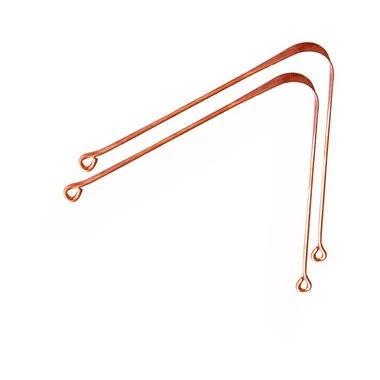
Plastic Tongue Cleaner 2 Pice
A plastic tongue cleaner, also known as a plastic tongue scraper, is a widely available and inexpensive oral hygiene tool. It is designed to remove the film of bacteria and debris from the surface of the tongue. Key Features of Plastic Tongue Cleaners: Material: They are typically made from a type of medical-grade or food-grade plastic, such as polypropylene or polyethylene. Design: Plastic tongue cleaners come in a variety of designs. The most common is the U-shaped or V-shaped scraper with a broad, curved edge. However, some have a single, flat scraping head or a brush-like surface on one side. Cost: Plastic cleaners are generally much more affordable than their metal (copper or stainless steel) counterparts, which makes them very accessible to a broad consumer base. Disposability: Due to their low cost, they are often considered disposable or semi-disposable. Many dental professionals recommend replacing them every few months, similar to a toothbrush, to prevent bacterial buildup. Colors: They are available in a wide range of colors, often packaged with toothbrushes or other oral hygiene kits. Benefits and Drawbacks: Benefits: Affordability: The low price point makes them a very cost-effective option for oral hygiene. Accessibility: They are readily available in almost any pharmacy, supermarket, or convenience store. Lightweight: They are very light and easy to handle. Drawbacks: Hygiene Concerns: Unlike copper or stainless steel, which have natural antimicrobial properties and are non-porous, plastic is porous and can harbor bacteria over time. This is why regular replacement is recommended. Durability: They are not as durable as metal cleaners and can break or become less effective with repeated use. The scraping edge can lose its sharpness over time. Environmental Impact: Since they are not long-lasting and are often discarded, they contribute to plastic waste. How to Use a Plastic Tongue Cleaner: The usage is similar to other tongue cleaners: Extend your tongue. Place the scraper at the back of your tongue. Apply gentle but firm pressure and pull the cleaner forward toward the tip. Rinse the scraper under water to remove the debris. Repeat 2-3 times. Rinse your mouth. Clean the scraper with water and store it in a clean, dry place. In summary, a plastic tongue cleaner is a simple and affordable tool for improving oral hygiene and fighting bad breath. While it is effective in removing tongue coating, its hygienic and environmental drawbacks make it a less sustainable option compared to metal alternatives.
A plastic tongue cleaner, also known as a plastic tongue scraper, is a widely available and inexpensive oral hygiene tool.
Key Features of Plastic Tongue Cleaners:
Material: They are typically made from a type of medical-grade or food-grade plastic, such as polypropylene or polyethylene.
Design: Plastic tongue cleaners come in a variety of designs. The most common is the U-shaped or V-shaped scraper with a broad, curved edge. However, some have a single, flat scraping head or a brush-like surface on one side.
Cost: Plastic cleaners are generally much more affordable than their metal (copper or stainless steel) counterparts, which makes them very accessible to a broad consumer base.
Disposability: Due to their low cost, they are often considered disposable or semi-disposable. Many dental professionals recommend replacing them every few months, similar to a toothbrush, to prevent bacterial buildup.
Colors: They are available in a wide range of colors, often packaged with toothbrushes or other oral hygiene kits.
Benefits and Drawbacks:
Benefits:
Affordability: The low price point makes them a very cost-effective option for oral hygiene.
Accessibility: They are readily available in almost any pharmacy, supermarket, or convenience store.
Lightweight: They are very light and easy to handle.
Drawbacks:
Hygiene Concerns: Unlike copper or stainless steel, which have natural antimicrobial properties and are non-porous, plastic is porous and can harbor bacteria over time. This is why regular replacement is recommended.
Durability: They are not as durable as metal cleaners and can break or become less effective with repeated use.
The scraping edge can lose its sharpness over time. Environmental Impact: Since they are not long-lasting and are often discarded, they contribute to plastic waste.
How to Use a Plastic Tongue Cleaner:
The usage is similar to other tongue cleaners:
Extend your tongue.
Place the scraper at the back of your tongue.
Apply gentle but firm pressure and pull the cleaner forward toward the tip.
Rinse the scraper under water to remove the debris.
Repeat 2-3 times.
Rinse your mouth.
Clean the scraper with water and store it in a clean, dry place.
In summary, a plastic tongue cleaner is a simple and affordable tool for improving oral hygiene and fighting bad breath. While it is effective in removing tongue coating, its hygienic and environmental drawbacks make it a less sustainable option compared to metal alternatives.
Additional Information:
| Not Available |

You may be interested